

Imagine stepping into a living room that feels like a serene oasis, devoid of chaos and clutter. That’s the magic of a grey minimalist living room. Not only does it exude sophistication, but it also allows for a space where you can breathe and relax. In this text, let’s uncover how to transform your living area into a stylish haven with shades of grey. Get ready to embrace simplicity without sacrificing elegance, who said minimalism had to be boring?
Understanding Minimalism in Interior Design
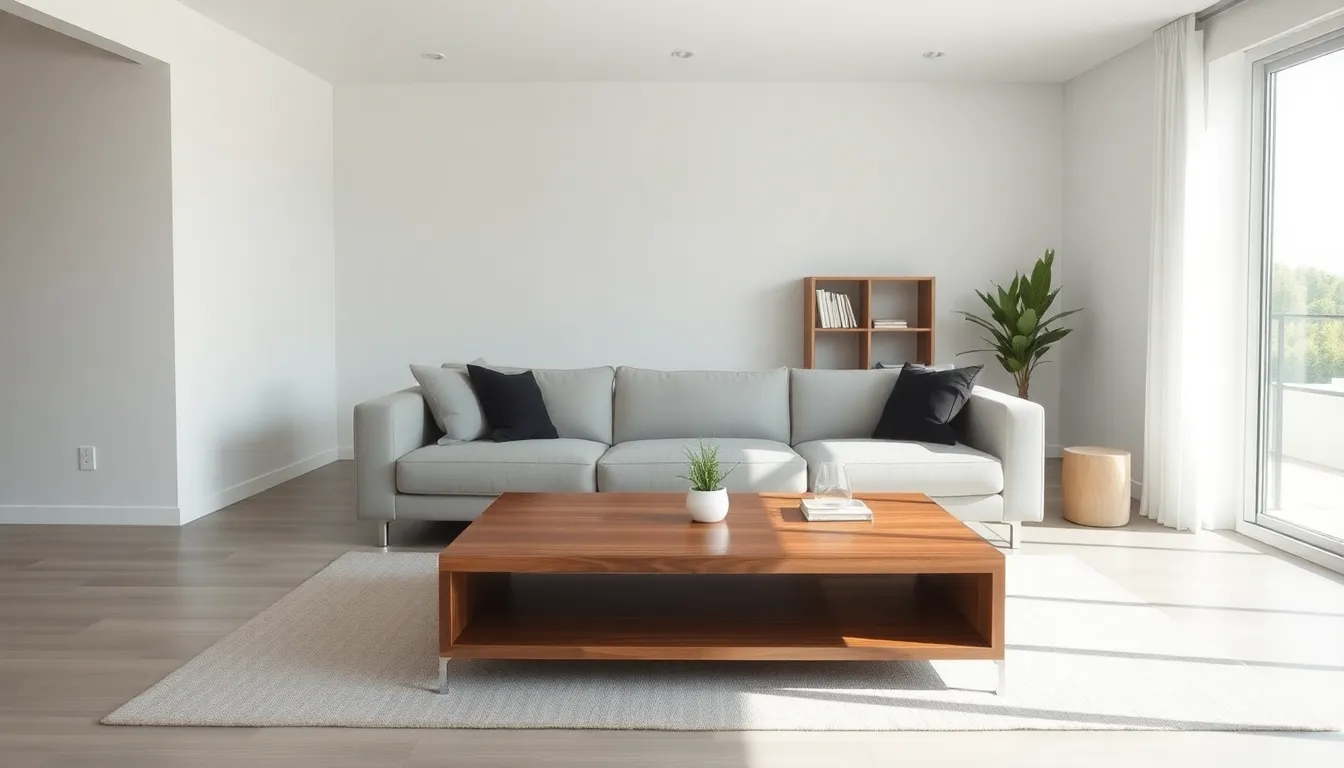
Minimalism focuses on the essential, stripping away excess to reveal beauty in simplicity. This design philosophy encourages one to ask, “What do I truly need?” With its roots in both art and architecture, minimalism promotes harmony through open spaces and clean lines.
When applied to interior design, this principle gives rise to calm, uncluttered environments where each piece has a purpose. Think of it as decluttering your life, not just your space. Many find that embracing minimalism fosters a sense of peace and mindfulness, as the absence of distractions allows for deeper connections with both the space and its activities.
The Color Grey: Versatility and Style
Grey is often seen as a neutral backdrop in the world of design, but it’s so much more than that. This hue offers depth and versatility, making it an ideal palette for a minimalist living room. From soft greys that evoke tranquility to darker shades that bring an air of sophistication, grey can adapt to any mood.
Also, it pairs well with countless colors, allowing for creative combinations. Want to add a pop of color? Consider vibrant decor items that stand out against the calming grey backdrop. The best part? With grey, you won’t easily tire of the palette, making it a smart choice for anyone looking to create a timeless space.
Essential Elements of a Grey Minimalist Living Room
Furniture Selection for Minimalist Comfort
Choosing the right furniture is crucial in achieving that effortless minimalist vibe. Opt for pieces with clean lines and a functional design. Sofas with sleek profiles and low seats can create an inviting atmosphere without overwhelming the space. Consider a neutral fabric that resonates with the grey tones to keep your theme unified.
Choosing Textures and Materials
Textures play a pivotal role in a minimalist design, especially when working with a monochromatic scheme. Combining materials such as soft wool, sleek metals, and rustic wood can create visual interest. For instance, a soft wool throw on a leather sofa introduces warmth against cool surfaces. Layering textures helps ensure your living room feels inviting rather than sterile.
Incorporating Lighting for Ambiance
Lighting can make or break a room, especially in a grey minimalist setting. Natural light is your best friend: embrace large windows to allow sunlight to fill the space. When it comes to artificial lighting, choose fixtures that complement the sleek aesthetic. Think about pendant lights with geometric shapes or simple floor lamps that get the job done without demanding attention.
Dimmers are particularly handy, allowing for adjustment based on mood and activity. A cozy evening with a soft glow feels far more intimate than harsh overhead lighting, so layering your light sources can help cultivate that balanced ambiance.
Decorative Touches: Art and Accessories
While minimalism thrives on removing clutter, it doesn’t imply that decoration is off-limits. Thoughtfully placed art pieces can become focal points, transforming blank walls into visual storytelling canvases. Opt for monochromatic artwork or pieces that evoke harmony with the grey palette.
When it comes to accessories, remember less is often more. A carefully curated selection of plants, vases, or books can add character without overwhelming your space. The goal is to reinforce the minimalist vibe while showcasing a bit of personality here and there.
Creating a Cohesive Look: Tips and Tricks
To truly nail the grey minimalist living room aesthetic, consistency is key. From furniture to decor, ensure all elements work together harmoniously. One tip? Stick to a limited color palette so that everything feels interconnected. Consider using three key shades of grey, perhaps paired with one accent color if you’re feeling adventurous.
Also, consider the layout of your space. Open floor plans enhance that airy feel associated with minimalism. Arrange furniture in a way that promotes conversation yet maintains a sense of openness. Every piece should have room to breathe, echoing the minimalist tenet of simplicity.