

Imagine stepping into a tech startup office where the ambiance sparks creativity like coffee on a Monday morning. It’s not just about desks and chairs but about an ecosystem that nurtures innovation and collaboration. With every corner tailored for inspiration, these offices stand as a testament to what a well-designed workspace can achieve. In this text, we will investigate into the essential elements that comprise a tech startup office, explore successful examples, and unveil the lessons learned from industry giants. Buckle up, because designing an inspiring workplace is about to get intriguing.
The Importance of a Well-Designed Office
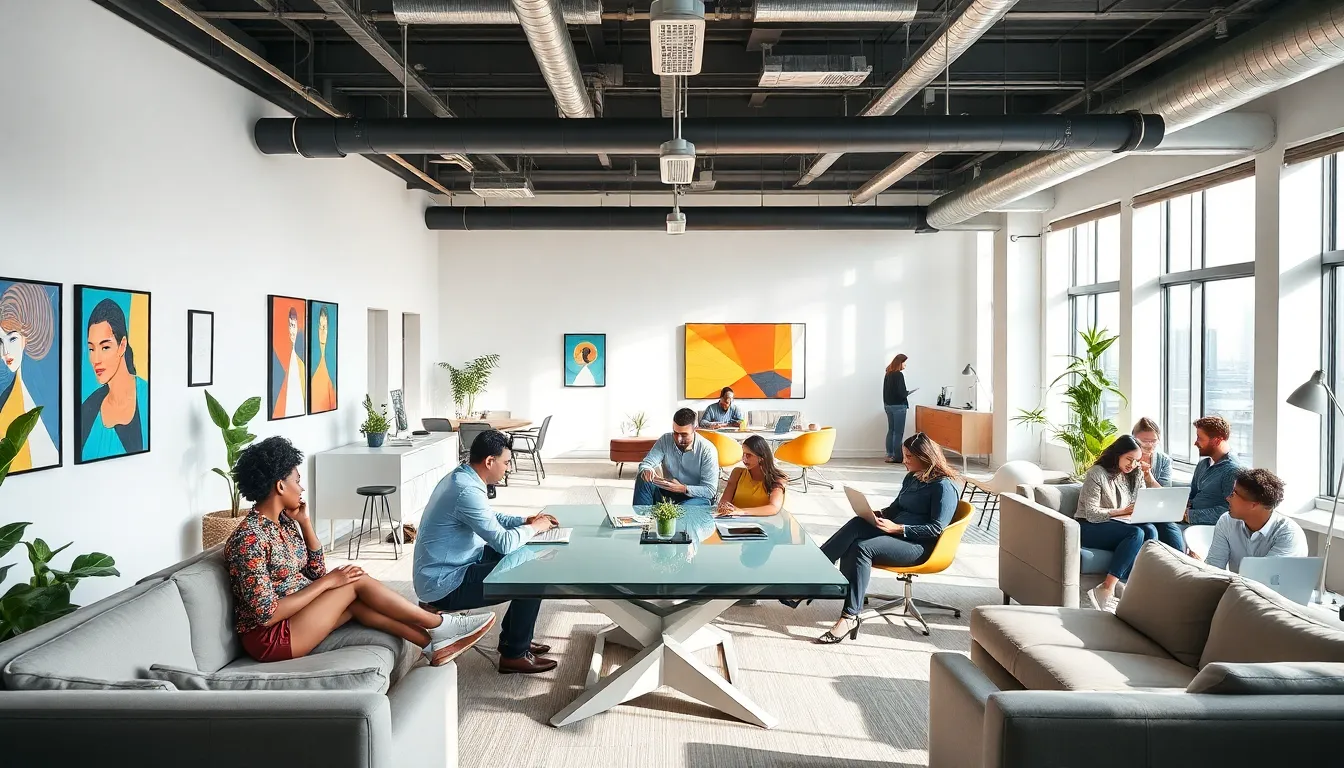
A well-designed office goes beyond aesthetics.
Enhancing Collaboration and Communication
Collaboration is the lifeblood of any startup. Well-structured office layouts can help spontaneous conversations and brainstorming sessions, making it easier for ideas to flow. When teams are in close proximity, they engage with one another dynamically. Instead of being limited to emails and chats, they can share thoughts and concepts in real-time.
Boosting Creativity and Productivity
Creativity often thrives in spaces designed for it. By incorporating bright colors and art installations, startups increase the chances that employees will be inspired. Also, productivity can take a significant leap when employees maintain balance between focused work and social interactions. An inviting workspace means happier employees, which translates into better output.
Attracting and Retaining Talent
In today’s competitive job market, it’s not just about salaries and benefits. A visually striking and thoughtfully designed office can set a tech startup apart from its competitors. Potential hires are drawn to spaces that reflect innovation and progress, ensuring that the best talent becomes a part of the team.
Key Elements of a Tech Startup Office
Designing an innovative workspace involves careful consideration of various key elements.
Flexible Workspaces and Layouts
An adaptable workspace design is crucial for tech startups. What works today may not work tomorrow. Configurable workspaces that can cater to collaborative projects or quiet work periods enable teams to function optimally.
Technology Integration and Tools
In a tech setting, technology is the foundation. Integrating the latest tools, be it collaboration software, virtual reality setups, or smartboards, can elevate the workspace experience immensely. These tools can help meetings, enhance presentations, and help teams stay connected irrespective of physical distances.
Ergonomics and Comfort Considerations
Nothing disrupts productivity like discomfort. Providing ergonomic chairs and desks encourages healthy posture and reduces strain, eventually fostering a more productive environment. Comfort should never be overlooked in a startup’s hustle and bustle.
Incorporating Brand Identity
An office isn’t merely a physical space: it mirrors the brand’s identity.
Creating a Unique Atmosphere
Every startup has a story, and its workspace should tell it. Custom murals, unique furniture, and different zoning can align the atmosphere with the startup’s mission and values. A well-told story through design can spark interest and engagement within the team.
Using Colors and Materials Effectively
Colors evoke emotions and respond dramatically in a workspace dynamic. Tech startups thrive on vibrant, dynamic palettes: using materials that resonate with the brand (like sustainable wood or recycled fixtures) not only promotes eco-friendliness but can also cultivate a feeling of commitment and community.
Promoting Company Culture Through Design
Design can significantly influence company culture and employee engagement.
Community Spaces and Team-Building Areas
A workspace that promotes teamwork includes areas dedicated to gatherings and team-building exercises. Whether it’s a lounge with gaming options or a breakout space equipped with brainstorming tools, these zones are essential for fostering collaboration and camaraderie.
Quiet Zones for Focused Work
While communal spaces are critical, quiet zones are equally important. Designating areas for focused work helps balance the dynamic of collaboration with the need for solitude. Quiet rooms allow employees to concentrate on tasks without distractions, promoting efficiency.
Examples of Successful Tech Startup Offices
Insights from successful tech startups reveal innovative design practices.
Case Studies of Innovative Designs
Consider WeWork’s immersive environments that blend work and play, or Airbnb’s playful designs that reflect its core values. Such offices draw employees in and enrich their working experience, showcasing how thoughtful design can lead to monumental success.
Lessons Learned from Major Tech Companies
Tech giants have paved the way for innovative office design. They’ve understood that the workspace is more than just a functional area: it’s a crucial element of company culture and employee happiness. By investing in personnel-focused designs, they witness increased loyalty and satisfaction among staff, eventually leading to better business performance.
Embracing Change and Future Trends
Change is a constant in the tech world, and office design is no exception.
With remote work becoming the norm, incorporating hybrid spaces that cater to both in-office and remote employees has emerged as a crucial trend. Flexible designs allow companies to adapt as they grow, ensuring that they remain relevant and appealing to current and potential team members.