

Imagine a space that breathes tranquility and harmony, where less truly means more. A minimalist living room doesn’t just look stunning: it screams ‘I know what I’m doing.’ While some may argue that minimalism is synonymous with boredom, let’s be real: it’s actually about creating a calm oasis in a world buzzing with chaos. In this text, we’ll jump into how embracing minimalism in your living room can transform it into a stylish sanctuary for relaxation and connection. So grab a seat, or better yet, a beanbag, and let’s chat about transforming your space into a masterpiece of simplicity.
Understanding Minimalism in Interior Design
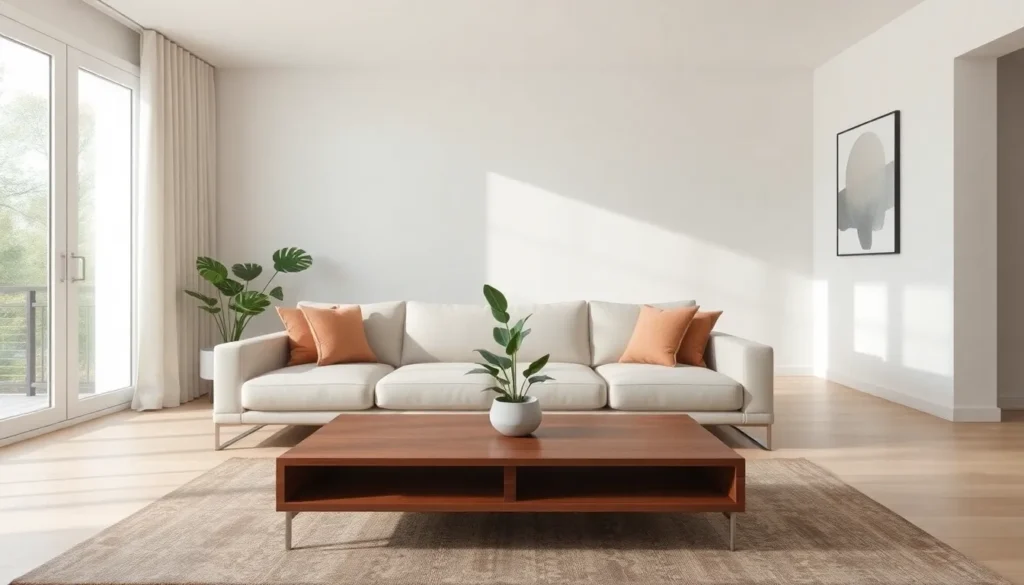
Minimalism is more than just a design trend: it’s a lifestyle choice that emphasizes simplicity and functionality. At its core, it’s about stripping down to essentials while maintaining a sense of beauty. Imagine walking into a room that doesn’t overwhelm you with clutter but rather invites you to breathe easily. Minimalism encourages clarity, think of it as decluttering not just your space but also your mind. When applied to interior design, minimalism promotes a vision where every piece matters. Rather than having a crowded space filled with mismatched items, a minimalist living room focuses on a few key components that can make a significant impact.
It celebrates the idea that form should follow function. This isn’t to say every room has to look stark and bare: rather, it can be vibrantly simple. As we investigate deeper into the principles of minimalist design, it’s essential to recognize that it draws inspiration from various styles, notably Japanese aesthetics. This harmony between simplicity and functionality paves the way for a sophisticated living environment.
So, embracing minimalism is an invitation to think critically about what you truly value and need in your living space.
Benefits of a Minimalist Living Room
The perks of adopting a minimalist approach are numerous and often life-changing. First and foremost, a clear space equates to a clear mind. With fewer distractions, individuals find it easier to focus, relax, and unwind, transforming their living rooms from warehouse-like arenas of disarray into peaceful getaways. Less visual clutter can significantly reduce stress and anxiety.
Besides, minimalism fosters a sense of intentionality. Each object serves a purpose, leading to more meaningful choices in what one surrounds oneself with, avoiding impulse purchases that often clutter lives. When she creates an intentional space, it encourages a lifestyle that values quality over quantity.
A minimalist living room can also be more cost-effective. By investing in fewer yet higher-quality pieces, individuals benefit in the long run. Instead of accumulating a plethora of items, one can focus on long-lasting furniture and décor that stand the test of time.
Finally, minimalist design allows flexibility. With a room designed around fewer pieces, it’s easier to rearrange or reimagine spaces, leading to a dynamic living environment that can adapt to changing needs without the burden of excess.
Key Elements of Minimalist Design
When it comes to nailing down the essence of minimalist design, several elements stand out as indispensable.
Choosing the Right Furniture
Choosing the right furniture is pivotal. Opt for pieces that are multifunctional, such as a sofa that also serves as a bed or coffee tables that can double as storage. Selecting items with clean lines and silhouettes helps maintain that uncluttered vibe. Think about quality over quantity: a single statement chair can often make more of an impact than an entire collection of furniture.
Color Palette and Textures
The color palette in a minimalist living room typically leans towards neutral shades, providing a calming backdrop. Whites, greys, and beiges create a spacious feeling. But, don’t shy away from adding depth with various textures. Layering through different materials can enliven a space, adding warmth that stands in contrast to the simple color scheme. A soft wool throw or a woven basket can be the perfect accent to prevent sterility. Keeping textiles simple but varied can add interest without complicating the design.
Space Optimization Techniques
Maximizing a space, in a minimalist living room, means making every square foot count.
Decorating with Purpose
Decorating with purpose is at the heart of minimalism. Each item included should serve a dual purpose – not just a showpiece but something that enhances daily living as well. Wall-mounted shelving can help clear floor space while displaying books and decor items that are both functional and aesthetically pleasing. Consider taking advantage of vertical space, which can often feel neglected.
Incorporating Functionality
Incorporating functionality into design doesn’t mean sacrificing style. It’s about leveraging furniture that complements the space without overwhelming it. For example, a sleek entertainment unit that houses technology discreetly can keep wires hidden and reduce chaos. Think modular furniture or pieces that can easily be moved to adapt to changing needs or activities, keeping the space fluid and versatile.
Creating a Cozy Atmosphere
Creating a cozy atmosphere in a minimalist living room might seem counterintuitive. But, it’s entirely possible to accomplish.
Start by layering soft textiles that invite comfort. Cushions and throws in muted tones add softness without introducing excessive clutter. An inviting area rug can also ground a space, making it feel complete without overpowering it. Lighting plays a critical role, too. Soft, warm lighting can enhance coziness, making a minimalist space feel warm rather than overly stark.
Adding personal touches, like a few framed photos or a cherished book, can also lend character without compromising the minimalist ethos. Such careful curation creates an inviting ambiance where one can unwind peacefully.
Inspiration and Tips for Implementing Minimalism
Inspiration for minimalist spaces can be gleaned from various sources, including online platforms like Pinterest and Instagram, where countless interior designers showcase their projects. Observing these can spark ideas for your own living room transformation.
Start with decluttering, rid the space of anything that no longer serves a purpose or brings joy. You’d be surprised at how liberating it feels. Once the clutter is out, focus on investing in quality pieces that reflect personal style.
Don’t shy away from experimenting with styles. Implementing minimalism doesn’t have to be a rigid process. Integrate elements from other styles you appreciate while ensuring the overarching theme remains minimal. A touch of bohemian flair or Scandinavian warmth can coexist beautifully in a minimalist living room.
Finally, establish a routine for maintaining the space. A few minutes each day to tidy up and reassess items will keep the minimalist aesthetic alive and thriving.